
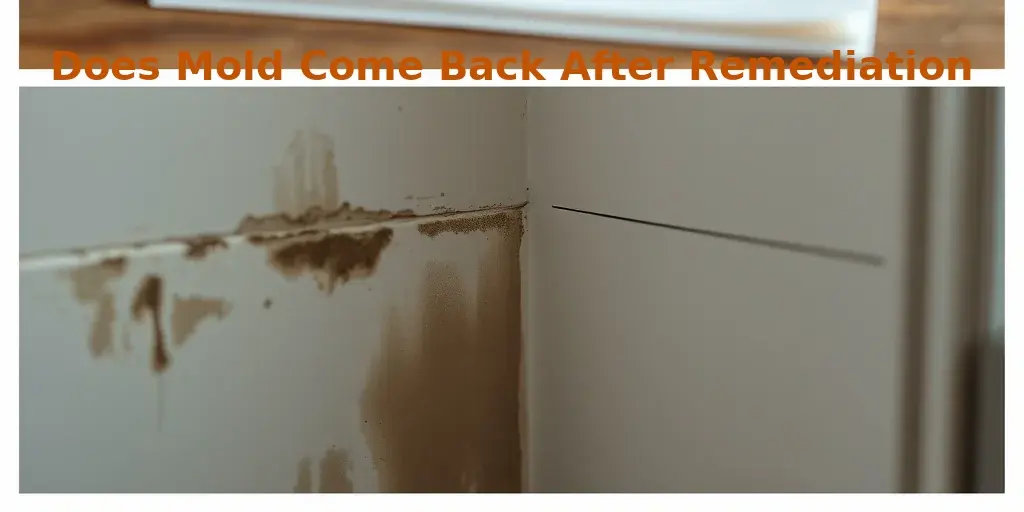
Many homeowners in Afton worry that the mold we remove today will simply reappear tomorrow. This concern is valid, but with proper protocols, it is largely avoidable. At Afton Mold Removal, we explain the science behind fungal regrowth and how to secure your home’s future. We prioritize transparency so you understand exactly what is needed to keep your air quality safe and your property stable year-round. Understanding the root cause is the first step toward a permanent solution.
Why Mold Can Return After Treatment
Mold is a resilient organism that thrives on moisture and organic materials. If the initial remediation team fails to address the underlying moisture source, such as a slow pipe leak or high humidity, spores will inevitably return. In Afton, where our climate shifts dramatically between seasons, temperature changes can exacerbate condensation issues inside walls and crawlspaces. We often find that previous treatments focused only on surface cleaning, leaving the porous materials behind undisturbed. This incomplete approach allows dormant spores to reactivate once conditions become favorable again. It is crucial to identify why the mold existed in the first place, not just how to remove it, to ensure long-term success for your family’s health and home value.
The Most Common Causes of Mold Recurrence
Humidity control is the single most critical factor in preventing mold from returning to your Afton residence. When indoor humidity levels consistently exceed sixty percent, spores have the ideal environment to germinate and grow rapidly. We frequently encounter cases where new carpet installation or improper ventilation systems trap moisture against subfloors and wall cavities. Additionally, neglected maintenance on roofs and gutters allows water to infiltrate structural components, creating hidden reservoirs for fungal growth. We advise homeowners to monitor their humidity levels regularly and ensure that all plumbing fixtures are functioning correctly. By addressing these foundational issues, we can break the cycle of recurring mold problems and protect your investment from costly structural damage and health risks associated with prolonged exposure.
How to Prevent Mold from Coming Back
Prevention requires a proactive approach to moisture management and regular home maintenance. We recommend installing dehumidifiers in basement areas and ensuring that exhaust fans in bathrooms and kitchens vent directly outside the home. In Afton, seasonal inspections of your roof, siding, and windows help identify potential entry points for water before they become significant problems. We also suggest using mold-resistant drywall and paint in high-risk areas such as bathrooms and kitchens. Regular cleaning of your HVAC system and replacing air filters on schedule further reduces the circulation of spores throughout your living space. By adopting these preventive measures, you create an environment that is inhospitable to mold, ensuring that your previous investment in mold remediation services continues to provide lasting peace of mind for your household.
Signs Your Previous Remediation Was Done Incorrectly
If you notice musty odors, visible spots, or allergic symptoms returning shortly after a cleanup, it is a clear indication that the prior work was insufficient. We see many cases where contractors skipped the necessary air quality testing or failed to properly contain the work area during removal. In Afton, local regulations and best practices require thorough verification of the site after treatment. If you notice that the source of the water intrusion remains unaddressed, the mold will almost certainly return. We emphasize the importance of post-remediation verification, which involves professional testing to confirm that spore levels have returned to acceptable limits. If you suspect your previous provider cut corners, we offer independent assessments to determine the true state of your home and provide a clear path toward complete, reliable resolution.